A patient walked into my office recently and smiled as she said, “I’ve already had acupuncture. My physical therapist did dry needling.”
I smiled back and asked, “How did it help?”
“It loosened my shoulder for a day or two,” she said. “But then everything tightened right back up.”
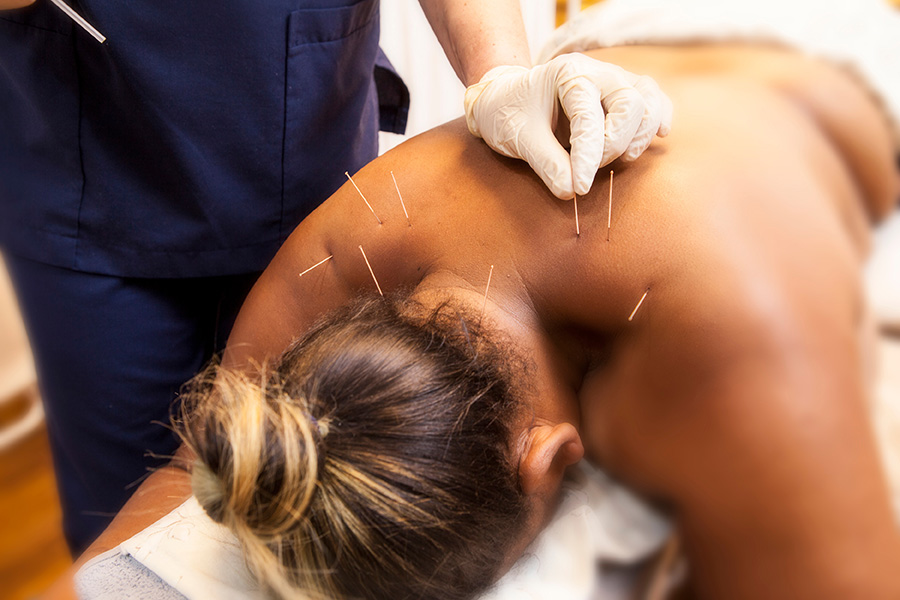
It’s a conversation I have often, and it’s understandable why there’s confusion. Both treatments use very thin needles. From across the room, they can even look identical. But once you understand the philosophy behind each one, you realize they’re approaching the body in very different ways.
Think of it this way.
Imagine your car’s “check engine” light comes on. One mechanic resets the warning light so it disappears. Another mechanic opens the hood, finds the underlying problem, and fixes what’s causing the light to come on in the first place.
Both have done something—but only one is looking at the whole system.
Dry needling focuses primarily on muscles and trigger points. The goal is to release tight muscle bands, improve range of motion, and reduce pain in a specific area. It can be very effective for muscular tension and is commonly used by physical therapists as part of a rehabilitation program.
Traditional Chinese Medicine (TCM) acupuncture takes a much broader view.
Instead of asking only, “Where does it hurt?” we ask, “Why is your body creating this pain in the first place?”
We look at sleep, digestion, stress, hormones, energy, circulation, emotions, and overall health because they’re all connected. A sore neck might be influenced by chronic stress. Frequent headaches could be tied to digestive imbalance. Fertility challenges may involve more than reproductive organs—they often reflect the body’s overall ability to nourish and regulate itself.
The needles are simply one of the tools we use to encourage the body back toward balance.
One of the things I love most about Chinese medicine is that patients often come in seeking help for one problem and leave noticing improvements they weren’t even expecting.
“I came in for my back pain, but I’m sleeping better.”
“My migraines are improving—and my digestion has settled down.”
“My anxiety feels quieter.”
“My menstrual cycles are finally becoming regular.”
That’s because TCM isn’t just chasing symptoms. It’s supporting the body’s ability to function more efficiently as a whole.
Neither approach is “better” for every person. Dry needling has an important place in musculoskeletal care, especially during rehabilitation after an injury. But if you’re looking for a treatment that considers your entire health picture—not just the muscle that’s bothering you—Traditional Chinese Medicine offers a much deeper perspective.
The needles may look the same.
The philosophy behind them is entirely different.
Sometimes treating the shoulder is exactly what’s needed.
Sometimes the shoulder is simply telling the story of what’s happening everywhere else.